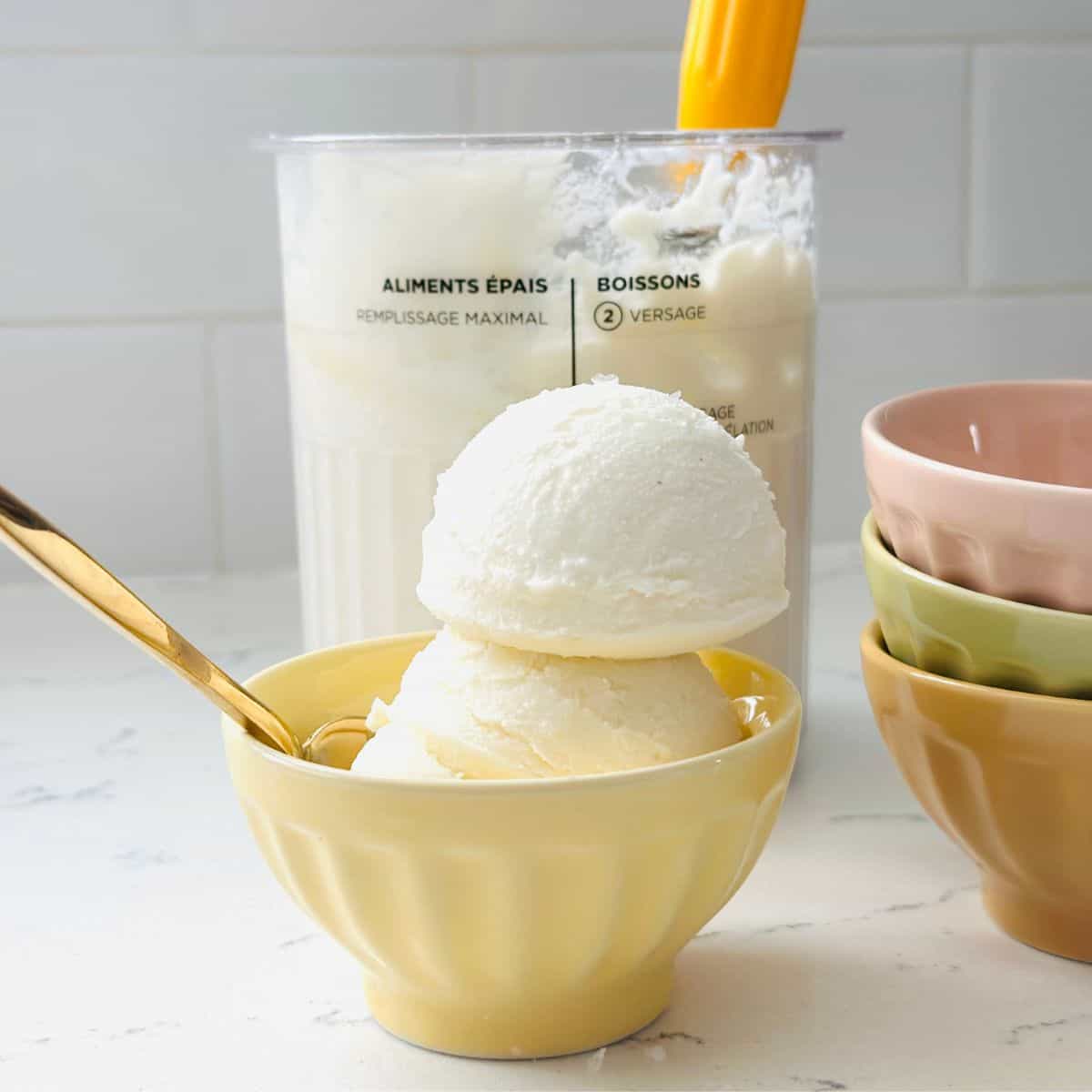
The Unexpected Delight: Why Olive Oil Ice Cream is a Culinary Revelation
Step into a world where classic dessert gets a sophisticated twist: olive oil ice cream. While the idea of infusing a beloved frozen treat with the rich, sometimes peppery notes of olive oil might initially raise an eyebrow, culinary enthusiasts worldwide are discovering a truly extraordinary experience. This isn't just another ice cream flavor; it's a meticulously balanced symphony of textures and tastes, transforming a childhood favorite into an elegant, grown-up delicacy.
Imagine a dessert that's impossibly silky, intensely creamy, yet surprisingly refreshing. This is the hallmark of well-crafted olive oil ice cream. It elegantly marries the buttery, complex notes of high-quality extra virgin olive oil with a hint of zesty lemon and a delicate whisper of flaky sea salt, creating a profile that's both familiar and exhilaratingly new. Just as we adore fruit-infused ice creams, embracing the olive – a fruit itself – in this context opens up an entirely new dimension of dessert enjoyment. Once you try it, the initial unusualness gives way to an appreciation for its intricate sophistication.
The Foundation of Flawless Texture: Dairy's Crucial Role
Achieving that signature velvety, melt-in-your-mouth texture in any ice cream, and particularly in olive oil ice cream, hinges significantly on the quality and fat content of its dairy base. This is where whole milk and heavy cream become indispensable players, working in harmony to deliver richness and prevent unwanted iciness.
Whole Milk: The Essential Base for Velvety Richness
The journey to perfect olive oil ice cream begins with whole milk. While the dairy aisle offers a myriad of alternatives, from skim to plant-based options, for this particular recipe, the fat content of whole milk is paramount. The higher the fat, the more luscious and indulgent your final ice cream will be. Fat molecules play a critical role in slowing the formation of sharp ice crystals during the freezing process. Instead of large, crunchy ice shards, you get a smoother, more uniform structure that contributes to the desirable velvety mouthfeel. Opting for low-fat milk, unfortunately, compromises this delicate balance, resulting in a icier, less satisfying consistency. For those with lactose sensitivities, lactose-free whole milk can be a suitable substitute, provided its fat content remains comparable to traditional whole milk. Our advice? Don't skimp on the good stuff here; your palate will thank you.
Heavy Cream: Boosting Creaminess and Battling Ice Crystals
Building upon the whole milk base, heavy cream enters the stage to elevate the richness and texture to unparalleled levels. With its significantly higher fat content, heavy cream doesn't just add a luxurious creaminess; it actively works as an anti-crystallization agent. The fat globules disperse within the mixture, interfering with water molecules' ability to align and form large ice crystals. This scientific marvel is what ensures your olive oil ice cream maintains its incredibly smooth mouthfeel, resisting the grainy texture often found in lower-fat frozen desserts. Think of it as the secret weapon for an exquisitely indulgent and stable ice cream structure.
Sweetness, Stability, and the Star Ingredient: Crafting the Core
Beyond the dairy, several other key ingredients contribute not only to the sublime flavor profile but also to the structural integrity and delightful texture of olive oil ice cream.
Sugar: Sweetness and a Softer Scoop
More than just a sweetener, sugar is a vital component in ice cream for several reasons. Firstly, it provides the essential sweetness, which can be adjusted to your preference – though a well-balanced recipe considers its other functions. Secondly, and critically for texture, sugar acts as a natural antifreeze. It lowers the freezing point of the ice cream base, preventing the formation of large, hard ice crystals and contributing to a softer, more scoopable texture. A higher sugar content generally results in a softer final product. While alternatives like honey exist, exercise caution: honey's distinct and often robust flavor can easily overshadow the subtle, nuanced notes of the olive oil, detracting from the unique character of this particular ice cream.
Egg Yolks: The Emulsifiers and Stabilizers
For a truly superior, stable, and richly flavored ice cream, egg yolks are often the unsung heroes, particularly in traditional custard-based recipes. They serve as powerful emulsifiers, binding fat and water components seamlessly, which further prevents ice crystallization and results in an incredibly smooth, stable texture. Beyond their textural contributions, egg yolks impart a beautiful golden hue and a depth of rich flavor that elevates the entire experience. Their presence significantly improves the "body" of the ice cream, ensuring it holds its structure beautifully as it melts. Don't let the idea of separating eggs deter you; the whites can be easily repurposed for a frittata or a scramble, ensuring no waste.
Extra Virgin Olive Oil: The Liquid Gold for Silky Smoothness
And now, for the star of the show: extra virgin olive oil. This isn't just an flavoring; it's a textural game-changer. The unique fat composition of high-quality EVOO imparts an unparalleled silkiness and a delicate, almost buttery mouthfeel that distinguishes this ice cream from traditional counterparts. The key here is selection: opt for a light-bodied, fruity extra virgin olive oil. A robust, peppery, or highly pungent oil can easily overwhelm the delicate balance of the ice cream, whereas a fruity, mellow varietal will integrate beautifully, lending a subtle complexity and a unique, fresh undertone. As the experts from Salt & Straw suggest, use the best oil you can find, as even a small amount will intensely flavor the ice cream. Before adding it to your base, taste your olive oil to ensure its flavor profile aligns with the delicate balance you're aiming for. This "liquid gold" doesn't just flavor; it deeply enhances the texture, making each spoonful an experience of sophisticated sweetness.
The Brightening and Balancing Act: Zest and Salt
While the core ingredients lay the groundwork for texture and primary flavor, two additional elements play crucial roles in refining the taste and elevating the overall experience of olive oil ice cream.
Lemon Zest: A Burst of Freshness
A touch of lemon zest might seem minor, but its impact is profound. The finely grated zest introduces a vibrant burst of tartness and aromatic freshness that beautifully cuts through the richness of the dairy and olive oil. This acidity acts as a counterpoint, brightening the entire flavor profile and preventing the ice cream from feeling too heavy. It's the refreshing twist that makes each spoonful exciting, providing a delightful zing that dances on the palate alongside the olive oil's fruity notes.
Flaky Sea Salt: Intensifying Flavors and Adding Crunch
Finally, flaky sea salt is indispensable. When dissolved into the custard base, it performs a culinary magic trick: intensifying the sweetness of the sugar while simultaneously drawing out and accentuating the subtle savory and fruity notes of the olive oil. This nuanced flavor enhancement is what makes the ice cream truly addictive. Furthermore, a light finishing sprinkle of flaky crystals just before serving provides a delightful textural contrast – a delicate crunch that beautifully punctuates the smooth, creamy base. It's the final touch that elevates the entire experience from delicious to extraordinary.
Tips for Achieving the Ultimate Silky Texture
Beyond the ingredients themselves, a few execution tips can further guarantee that perfect, silky texture:
- Thorough Chilling: Ensure your ice cream base is completely chilled (ideally overnight) before churning. A colder base churns more efficiently, creating smaller ice crystals and a smoother result.
- Optimal Churning: Follow your ice cream maker's instructions carefully. Over-churning can sometimes introduce too much air, while under-churning can lead to a less smooth consistency.
- Aging the Base: Some chefs recommend "aging" the base in the refrigerator for 12-24 hours. This allows the ingredients to fully hydrate and meld, contributing to a superior texture.
- Proper Storage: Store your freshly churned ice cream in an airtight container in the coldest part of your freezer. Placing parchment paper directly on the surface before sealing can also help prevent ice crystals from forming on top.
Conclusion: A Sophisticated Scoop Awaits
Crafting silky olive oil ice cream is an art form, a delightful journey where each ingredient plays a crucial role in achieving that perfect, luxurious texture and complex flavor profile. From the high fat content of whole milk and heavy cream that battles ice crystals, to the emulsifying power of egg yolks and the unique richness of fruity extra virgin olive oil, every component is a piece of the puzzle. Balanced with the brightness of lemon zest and the savory depth of flaky sea salt, this dessert transcends the ordinary. It's an invitation to explore sophisticated sweetness, a testament to how bold culinary pairings can lead to truly unforgettable experiences. So, gather your ingredients, follow these guidelines, and prepare to delight your senses with a scoop of pure liquid gold.
